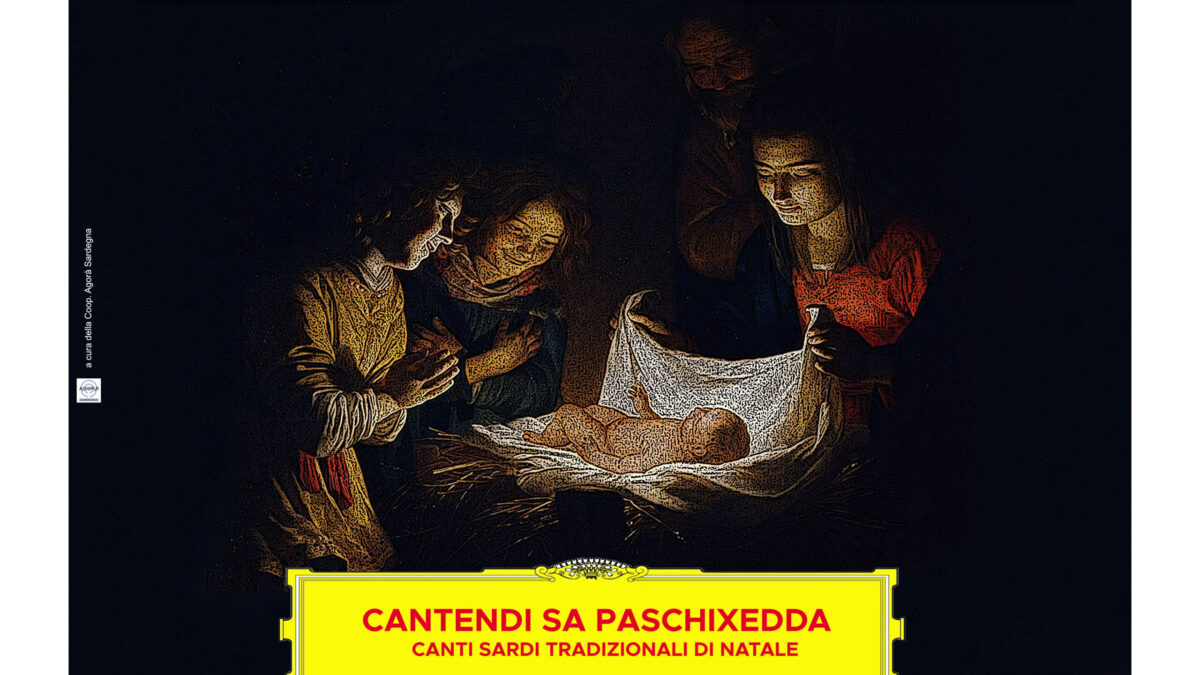
CANTENDI SA PASCHIXEDDA: Canti natalizi della tradizione religiosa sarda
 «“Gloria! Gloria!” cantan’ in chelu
lughidos anghelos pro s’altu Re;
“Paghe vittoria!” s’as bonu zelu,
anima povera, cantan pro te.»
(Naschid’est / Pietro Casu)
“Es nadu, es nadu, es nadu su Bambinu.
Enide, enide tottus a l’ammirare,
enide a l’adorare,
enide a l’adorare, a l’amare.”
(Notte de chelu / Pietro Casu)
Fra le tante festività, quella del Natale è forse la più attesa e sentita, ieri come oggi. In Sardegna, tuttora, i festeggiamenti del Natale sono accompagnati, in tanti paesi e con tante varietà espressive, dai tradizionali e suggestivi canti in limba. Fino al 1965, anno in cui si concluse il Concilio Vaticano II, le celebrazioni liturgiche erano tutte in latino. Il Concilio stabilì, fra le altre cose, l’apertura ai dialetti e alle lingue del popolo e questo favorì l’avvicinamento alla chiesa dei fedeli che poterono così cantare e pregare in forme linguistiche a loro più familiari.
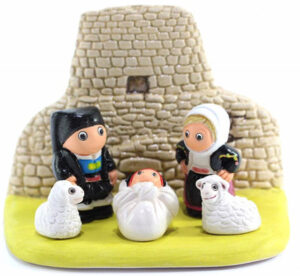
Ma in Sardegna già prima del Concilio furono utilizzate varianti linguistiche locali. Sono, per esempio, del 1927 nove canti in sardo logudorese, uno per ciascun giorno della novena di Natale, composti dal sacerdote Pietro Casu, noto Babbai Casu, di Berchidda. Il viceparroco Agostino Sanna, di Ozieri, ne scrisse la musica, ispirandosi a melodie sarde preesistenti e contribuendo, grazie alla loro piacevolezza, semplicità e orecchiabilità, al successo imperituro. I canti sono: Acculzu a Betlemme, Andhemus a sa grutta, A sos primos rigores, Candh’ est nadu Gesus, Duos isposos a s’iscurigada, Glòria: it’est custa armonia?, In sa notte profundha, Naschid’est in sa cabanna e Notte de chelu. Don Pietro Casu si servì della lingua sarda per avvicinare i contenuti della fede cristiana alla gente comune e queste composizioni in particolare fecero breccia nel cuore dei fedeli che li cantarono negli anni non solo durante la Novena ma anche in occasione della messa di Vigilia e di quella del 25 dicembre. I canti, semplici e orecchiabili, si sono tramandati negli anni entrando nella tradizione dei canti religiosi del Natale della Sardegna. Essi rappresentano il genuino sentimento di fede dei nostri nonni.
Proponiamo di alcuni di questi magnifici canti, tutti scritti da Pietro Casu e musicati da Agostino Sanna, il testo (in una delle tante varianti) e un ascolto.
Presentiamo inoltre, per chi volesse approfondire l’argomento, una piccola bibliografia di testi disponibili nelle nostre biblioteche, che trattano non solo i canti ma anche i coggius o gosos e le pregadorias.
Canti:
- Aculzu a Betlemme: In questo canto la grotta di Betlemme, umida, nuda e sporca, diventa una reggia, un palazzo di marmo e oro.
- Andemus a sa grutta: Questo canto, assieme agli altri otto, fu presentato per la prima volta a Berchidda da una piccola orchestra e da un coro.
- Cand’est nadu Gesus: Tradizionale canto natalizio sardo tratto dalla raccolta Cantones de Nadale, curata dall’ Associazione eredi P. Casu e edita nel 1998.
- Duos isposos: Il canto “Duos isposos a s’iscurigada chilcant in Betlem alloggiu invanu” (due sposi all’imbrunire cercano invano alloggio in Betlemme), racconta le vicissitudini di Maria e di Giuseppe in cerca di alloggio nel piccolo villaggio di Giudea.
- In sa notte profunda: E’ una delle canzoni natalizie in lingua sarda più conosciuta, un canto e una melodia dolcissimi.
- Naschid’est: Naschid’est in sa cabanna (conosciuta anche semplicemente come Naschid’est) fa parte del repertorio della musica corale dei canti di Natale, ma anche del repertorio solistico. Il testo parla della Nascita di Gesù descrivendo la scena come fosse un presepe. Gli angeli lucenti cantano e i pastori si recano svelti verso la capanna per partecipare all’avvenimento.
- Notte de chelu (nota anche con il titolo Es nadu su Bambinu): In questa canzone viene utilizzata la parola “Bambinu” che non esiste in lingua sarda. Pietro Casu la inserisce nel suo noto Vocabolario Sardo Logudorese – Italiano con riferimento esclusivo al Bambin Gesù.
Bibliografia:
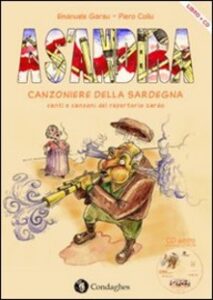 A s’andira : canzoniere della Sardegna : canti e canzoni del repertorio sardo (con CD) / Emanuele Garau, Pietro Collu ; disegni e illustrazioni di Massimo Congiu. – Cagliari : Condaghes, 2008.
A s’andira” è una sorta di “canzoniere” della Sardegna con testi, spartiti e schede introduttive di una scelta di canzoni tra le più note del repertorio sardo a cui è abbinato un CD musicale con i canti e le basi musicali degli stessi. L’idea di questo lavoro nasce dalla sempre crescente richiesta di supporti didattici da parte di insegnanti che amano la musica sarda e vogliono trasmetterla ai loro alunni.
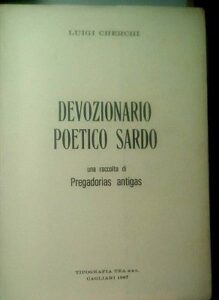 Devozionario poetico sardo : una raccolta di Pregadorias antigas / Luigi Cherchi. – Cagliari : Tipografia Tea, 1987.
Mons. Luigi Cherchi raccoglie, nel 1987, una serie di “pregadorias antigas” che furono già pubblicate nella “Voce Serafica della Sardegna”, dei Padri Cappuccini di Cagliari, nel 1965, nel 1969, e in qualche numero del 1976.
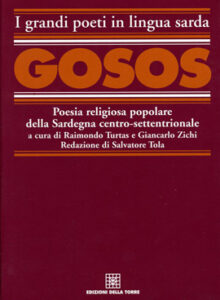 Gosos : poesia religiosa popolare della Sardegna centro-settentrionale / a cura di Raimondo Turtas e Giancarlo Zichi ; redazione di Salvatore Tola. – Cagliari : Edizioni Della Torre, 2004.
Un volume realizzato da Raimondo Turtas, Giancarlo Zichi e Salvatore Tola che hanno attinto da antiche raccolte e antologie, manoscritti, fogli volanti e opuscoli realizzati nelle parrocchie. Selezionati quelli più belli e più antichi, una raccolta di 110 testi espressi in logudorese, sassarese, gallurese e catalano di Alghero.
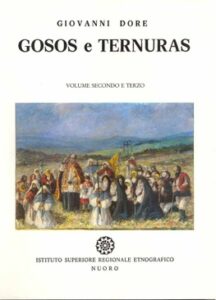 Gosos e Ternuras : Testi e musiche religiose popolari sarde secondo l’antica e ininterrotta tradizione di pregare cantando. Vol. 1,2,3 / Giovanni Dore. – Nuoro : Istituto Superiore Regionale Etnografico, 1983, 1986.
Lodi e preghiere in lingua logudorese, campidanese e gallurese, in onore della Vergine, del Signore, della Trinità e per ricorrenze varie.
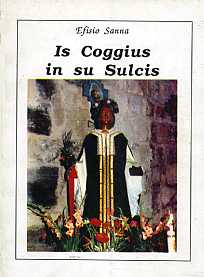 Is coggius in su Sulcis / a cura di Efisio Sanna. – Giba : Litotipografia ISMEA, stampa 1993.
“Questa raccolta vuole essere un contributo per la difesa e il recupero della nostra lingua, per la continuità delle nostre tradizioni, per il rafforzamento della nostra fede.” Efisio Sanna.
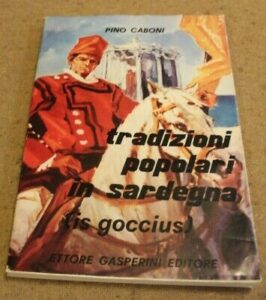 Is Goccius : ricerca sulla poesia popolare e le tradizioni religiose sarde / a cura di Pino Caboni. – Cagliari : E. Gasperini, 1980.
“Is goccius sono poesie religiose popolari, insite, cioè, nella natura dell’uomo, con un ampio retroterra religioso: manifestazioni di intenzionalità teologiche espresse in varie stratificazioni antropologiche non codificate e secondo una gamma pressochè infinita di mediazioni linguistico-rituali.” Pino Caboni.
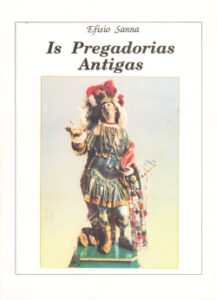 Is Pregadorias Antigas / Efisio Sanna. – Giba : Tip. Ismea, 1994.
È una raccolta scritta “per non dimenticare il nostro passato”. Un passato fatto di fede viva e sincera, di fiducia completa, di abbandono e di rassegnazione alla Provvidenza divina e alla sua volontà. Efisio Sanna.
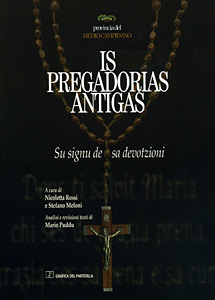 Is pregadorias antigas : su signu de sa devotzioni / a cura di Nicoletta Rossi e Stefano Meloni ; revisione ortogràfica de is testus, Mario Puddu. – Dolianova : Grafica del Parteolla, 2011.
Culto, tradizioni sarde e fede popolare rivivono nella raccolta appassionata di preghiere antiche dei Comuni di Arbus, Barumini, Collinas, Furtei, Genuri, Gesturi, Gonnosfanadiga, Guspini, Las Plassas, Lunamatrona, Pabillonis, Pauli Arbarei, Samassi, San Gavino, Sanluri, Sardara, Segariu, Serramanna, Serrenti, Setzu, Siddi, Tuili, Turri, Ussaramanna, Villacidro, Villamar, Villanovaforru e Villanovafranca.
 Pregare in sardo : scritti su chiesa e lingua in Sardegna / Raimondo Turtas ; a cura di Giovanni Lupinu ; prefazione di Mons. Duilio Corgnali. – Cagliari : CUEC, 2006.
In Pregare in sardo Raimondo Turtas traccia una sorta di storia della Chiesa sarda sub specie linguae o, se si preferisce, di storia della lingua sarda sub specie ecclesiae: in particolare, si esaminano le vicende del sardo nella prospettiva del suo impiego, avvenuto o mancato, come lingua della liturgia, della catechesi, dell’evangelizzazione del popolo, della pietà e della devozione individuale e collettiva. Lo sguardo dello storico, tuttavia, non si esaurisce nella descrizione di ciò che è stato, ché scopo dell’opera è porre un interrogativo: perché la Chiesa sarda non è ancora giunta alla determinazione di impegnarsi con forza per la liturgia in lingua sarda? Perché non è stata ancora presa una decisione in merito dopo che una recente indagine commissionata dalla Regione Sardegna ha evidenziato che il 68% dei Sardi afferma di parlare una varietà locale?
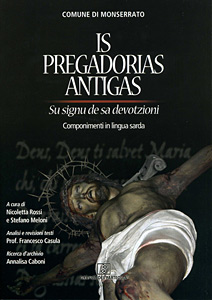 Is pregadorias antigas : su signu de sa devotzioni : componimenti in lingua sarda / a cura di Nicoletta Rossi e Stefano Meloni ; analisi e revisione testi Francesco Casula ; ricerca d’archivio Annalisa Caboni. – Dolianova : Grafica del Parteolla, 2010.
Culto, tradizioni sarde e fede popolare rivivono nella raccolta appassionata di preghiere antiche del Comune di Monserrato.
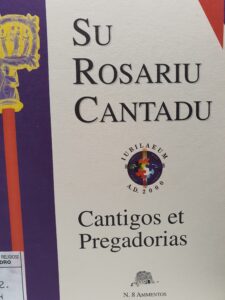 Su rosariu cantadu : cantigos et pregadorias / a cura di Battista Saiu Pinna. – Biella : Circolo culturale sardo Su Nuraghe, stampa 2000.
Libretto edito nell’anno giubilare 2000, con “nulla osta” del cappellano di Su Nuraghe, don Ferdinando Gallu, e approvazione ecclesiastica di mons. Fernando Marchi, l’allora Vicario Generale della Diocesi di Biella.
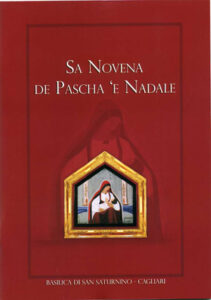 Sa Novena de Pascha ‘e Nadale. (con CD) – Cagliari : Basilica di San Saturnino.
La Novena tutta in sardo è stata celebrata per la prima volta nella Parrocchia di S. Eulalia nel 2008. Questo “libretto” è una riedizione del sussidio usato l’anno scorso, con modifiche di traduzione e arricchimento di testi e musiche.
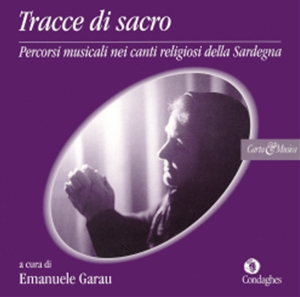 Tracce di sacro : percorsi musicali nei canti religiosi della Sardegna (con CD) / Emanuale Garau , Paolo Bravi e Marco Lutzu. – Cagliari : Condaghes, 2003Un libro sul canto religioso sardo ricco di contenuti e pregevole nella forma espositiva e che può costituire un’efficace guida verso la scoperta di questo affascinante ambito musicale. Al libro è abbinato un cd musicale di 80’ circa.
 Pasca ‘e Nadale / Maria Giovanna Cherchi. – Cagliari : L’Unione Sarda, 2008. – 1 CD. (mediateca)
Un CD che racchiude le più belle canzoni natalizie appartenenti alla tradizione popolare sarda interpretate dalla voce della cantante Maria Giovanna Cherchi.
Approfondimenti:
- Voce Serafica: Le canzoni di Natale di Pietro Casu
- Notte de chelu e gli altri canti natalizi sardi
- Cantones de nadale
- Pietro Casu
- Pietro Casu (1878-1954): poeta e romanziere di grande successo
- Lingua sarda: Perdu Casu 1878-1954
- La nascita delle canzoni di Natale: Notte de chelu, cand’es nadu Gesus in sa grutta
- Pietro Casu: sacerdote protagonista della realtà culturale del suo tempo
- Il Natale in Sardegna fra storia, rito e tradizione
- Il Natale in Sardegna raccontato da Grazia Deledda